Exploring the Ripple Effects of Verification Processes on Bonus Eligibility Criteria Within Live Streaming Casino Platforms
Written by Sam Schmidt · Nov 9, 2026
Exploring the Ripple Effects of Verification Processes on Bonus Eligibility Criteria Within Live Streaming Casino Platforms
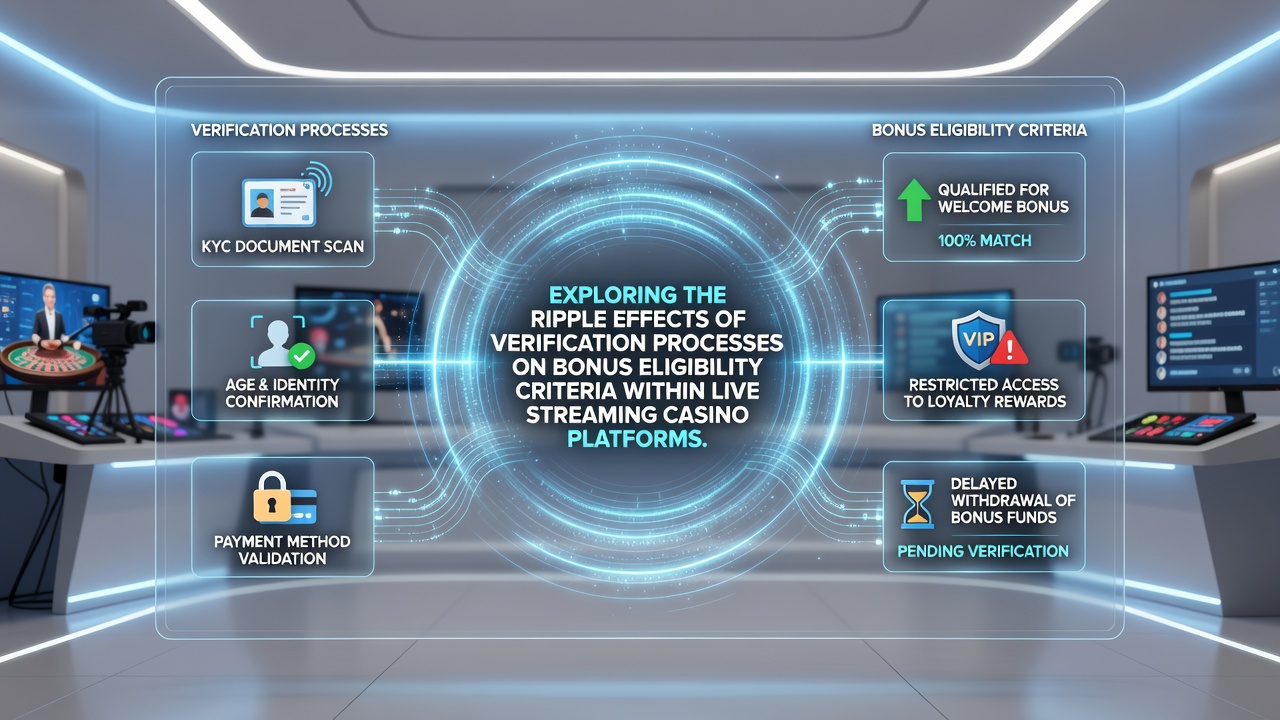
Verification processes in live streaming casino platforms create layered effects on bonus eligibility that extend beyond initial account setup and reach into ongoing player activity, and these procedures often determine whether promotional rewards become accessible or remain locked behind compliance barriers. Platforms integrate identity checks, document uploads, and real-time monitoring systems to align with regulatory standards while simultaneously gating bonus structures that depend on verified status for activation.
How Verification Protocols Shape Initial Bonus Access
Operators require players to complete know-your-customer steps before any bonus funds or free spins appear in live dealer environments, and this requirement stems from agreements with payment processors along with oversight from regional authorities. Data from industry reports indicates that incomplete verification blocks eligibility for welcome packages and reload offers in real-time streaming sessions, while successful checks unlock tiered rewards tied to deposit volumes and play frequency. Observers note that delays in document approval, which can stretch from hours to several days, prevent immediate participation in time-sensitive promotions that run during peak live dealer hours.
Technical Integration of Checks Within Streaming Interfaces
Live platforms embed verification prompts directly into the dealer chat and lobby systems so players encounter identity prompts mid-session when attempting to claim bonus-linked bets, and this seamless embedding reduces drop-off rates yet introduces friction for those juggling multiple accounts across sites. Research from gaming analytics firms shows that automated facial recognition paired with ID scanning cuts approval times by up to 40 percent compared with manual reviews, allowing bonus eligibility to activate faster once all fields match regulatory thresholds. Those who have studied platform architecture point out that API connections between verification providers and streaming software ensure bonus meters update only after clearance, preventing premature claims that could violate terms.
November 2026 brought renewed focus on these integrations when several jurisdictions updated guidance around digital identity standards, prompting platforms to refresh their verification layers without disrupting ongoing live dealer streams. Figures from regulatory filings reveal that platforms adopting updated protocols saw a measurable uptick in verified accounts, which in turn expanded the pool of players eligible for loyalty bonuses tied to consistent live play.
Effects on Ongoing Eligibility and Tier Progression
Bonus structures in live streaming environments frequently tie ongoing eligibility to periodic re-verification, and failure to respond to requests for updated documents can freeze accumulated loyalty points or void pending cashback offers. Studies conducted on platform data indicate that players who maintain verified status across multiple sessions qualify for progressive bonuses at higher rates, whereas interruptions in verification status reset progress toward VIP thresholds. Experts have observed that this dynamic encourages consistent compliance habits among frequent users while creating barriers for those who switch devices or travel across borders where different rules apply.
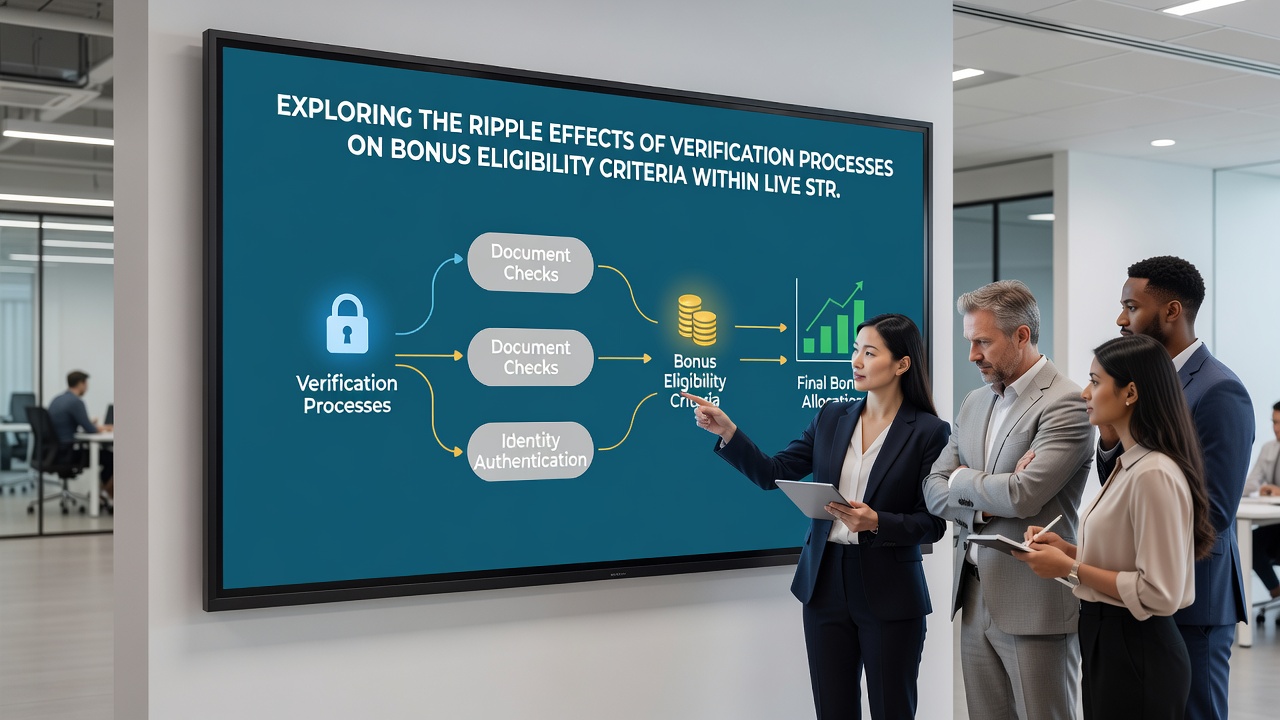
Payment network requirements add another dimension because bonus redemptions often route through the same verified channels used for deposits, and mismatches between source accounts and verified identities trigger holds that affect both cash and promotional balances. According to findings published by the Ontario Lottery and Gaming Corporation, verified accounts demonstrate higher retention in live dealer formats when bonus criteria align directly with compliance records. What's interesting here is how these alignments reduce chargeback incidents while simultaneously streamlining the release of tiered rewards for players who meet playthrough conditions.
Regional Variations and Platform Adaptations
Different markets impose distinct verification cadences that ripple outward into bonus design, and platforms serving multiple jurisdictions must maintain separate eligibility matrices to avoid cross-border conflicts. In regions with stringent anti-money laundering rules, for example, bonus activation may require source-of-funds declarations that extend beyond basic identity checks, delaying access until additional evidence clears. Those who've examined compliance frameworks note that European operators often synchronize verification with quarterly reporting cycles, which influences how seasonal live streaming promotions distribute eligibility windows.
One study revealed that platforms adjusting bonus criteria to match verification renewal dates experienced fewer disputes over locked rewards, and this adjustment proved especially relevant for mobile users who stream live dealer tables on the go. Data indicates that clearer communication about verification timelines correlates with higher completion rates for bonus-related tasks, allowing operators to maintain engagement without compromising security standards.
Conclusion
Verification processes continue to intersect with bonus eligibility in ways that reshape player pathways through live streaming casino platforms, and the connections between compliance steps and reward access remain central to operational design. Platforms that align these elements effectively support smoother progression through promotional tiers while meeting external oversight demands, and ongoing developments through late 2026 suggest further refinements ahead as technology and regulations evolve in tandem.